
The collection of Hazardous and Toxic Waste (B3) involves a series of activities to gather waste from one or more generating sources prior to its handover or processing at the subsequent management stage. These activities are carried out systematically, prioritizing worker safety, environmental protection, and waste traceability in accordance with applicable laws and regulations.
1. Waste Identification and Data Collection
The process begins with identifying the type, source, characteristics, and quantity of the hazardous and toxic waste generated. Data collection is conducted to determine appropriate handling methods, packaging types, labeling, and storage and transportation requirements.
2. Waste Segregation Based on Characteristics
Waste is segregated based on type and hazard characteristics to prevent the mixing of incompatible materials. Segregation is performed according to established procedures, taking into account potential hazards such as flammability, corrosivity, reactivity, toxicity, or infectiousness.
3. Packaging and Labeling
Waste is placed in packaging that is suitable for its characteristics, in good condition, and capable of preventing leaks or spills. Each package bears the required symbols and labels so that the type and potential hazards of the waste can be clearly identified by the personnel handling it.
4. Waste Collection and Transfer
Waste is collected from the point of generation or designated storage locations using appropriate procedures and equipment. Transfer operations are carried out carefully by competent personnel utilizing personal protective equipment (PPE) commensurate with job risks, while implementing measures to prevent exposure and workplace accidents.
5. Waste Storage and Handover
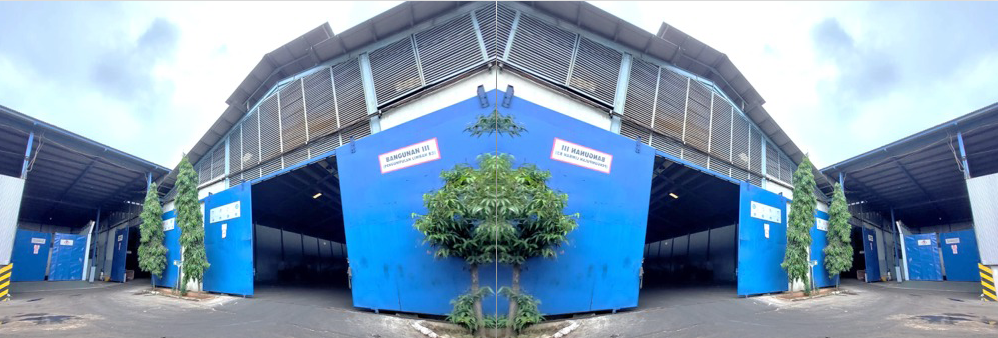
Once collected, waste is placed in compliant storage facilities or handed over to authorized parties in accordance with applicable management schemes. Storage arrangements take into account waste compatibility, packaging condition, storage time limits, and the prevention of leaks and unauthorized access.
6. Documentation and Traceability
Every collection activity is supported by records detailing the waste type and quantity, origin, collection time, and packaging condition, as well as relevant handover documentation. This documentation aims to ensure waste traceability and support compliance with administrative obligations regarding environmental management.
Through the implementation of standardized collection procedures, PT HBSP is committed to ensuring that hazardous and toxic waste (B3) is handled safely, systematically, and responsibly from the initial stages of management. Operations are conducted with a priority on workplace safety, pollution prevention, and compliance with applicable laws and regulations.
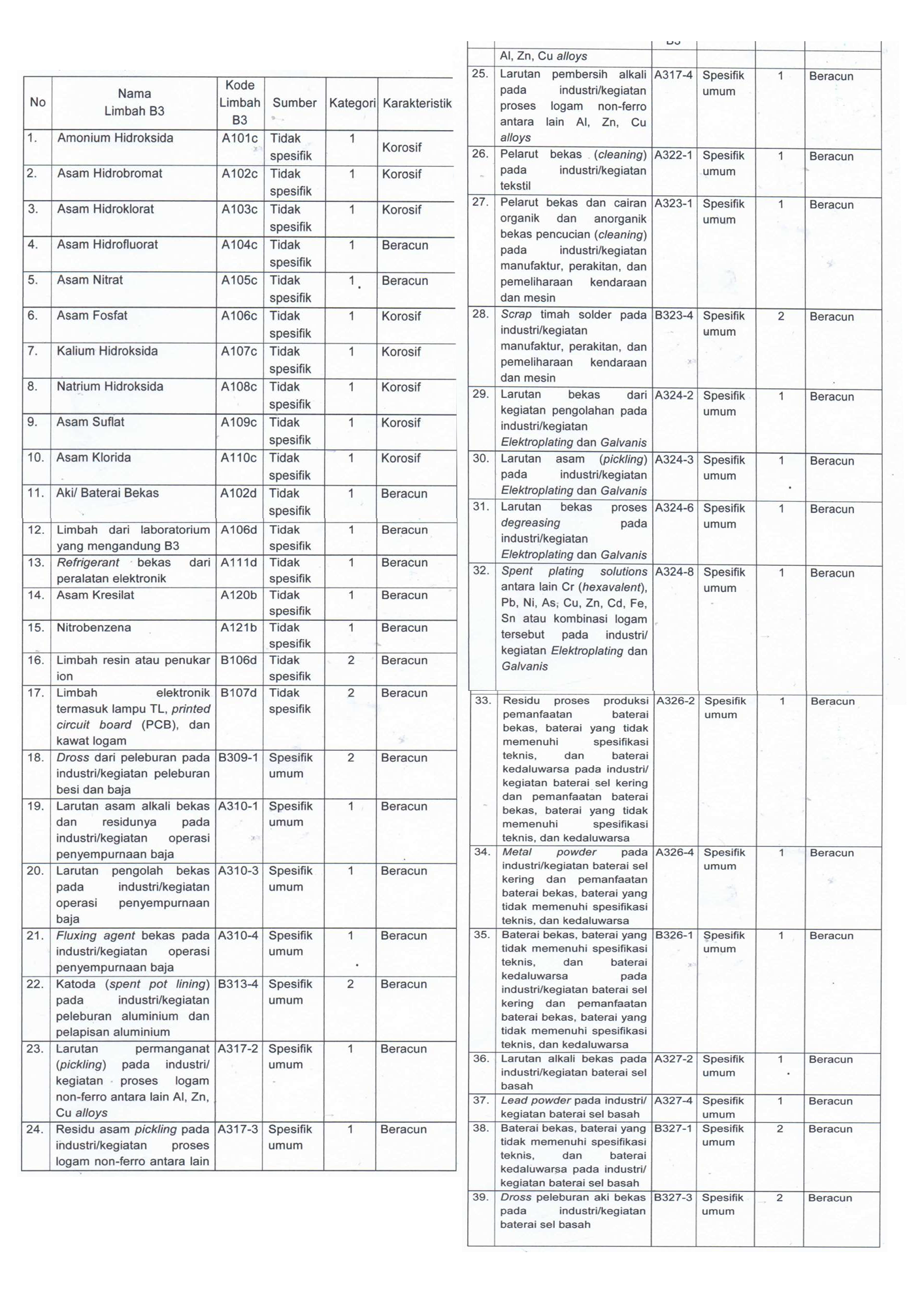
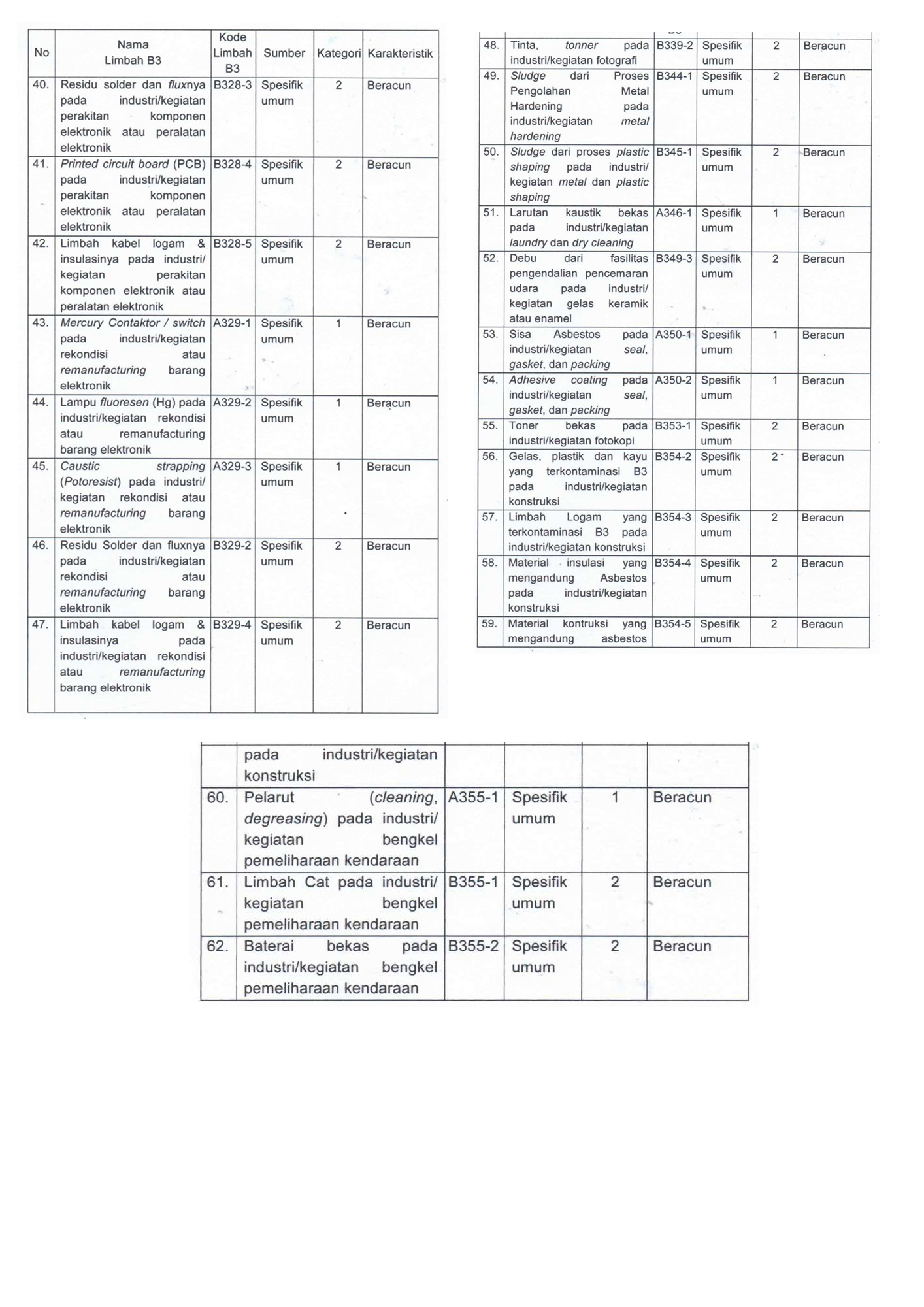
The following are the types and codes of waste collected by PT HBSP: